

Spring storms in Milwaukee often hit in layers. First comes hail. Then the wind. Then the follow-up rain that finds every weak spot the storm just created. That pattern matters in Milwaukee-area neighborhoods.
A few small dents on metal, light shingle bruising, or one cracked siding panel may not look urgent from the ground. But those small exterior hits can turn into wet attic insulation, stained ceilings, softened drywall, warped trim, and musty indoor air after the next storm cycle.
That is why spring hail is not only an exterior problem. It is often the start of an interior moisture problem. For homeowners, renters, property managers, facility managers, and commercial owners, the bigger risk is delay.
When you treat hail as cosmetic, you can miss the short window when the damage is still smaller, drier, and easier to contain.
Why small hail damage becomes a bigger interior problem
What looks minor outside can quietly open a path for moisture inside.
Hail rarely damages just one surface
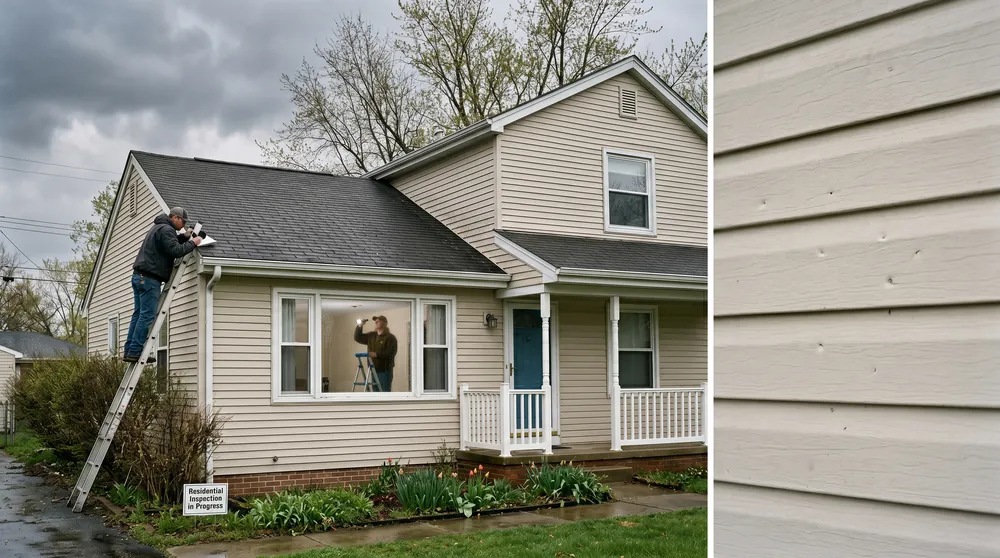
A hailstorm does not have to punch a dramatic hole through your roof to create trouble. Small impacts can bruise shingles, loosen granules, dent flashing, crack siding, stress skylight edges, and damage gutters or downspouts.
Those weak points may hold for a little while. Then the next rain tests them. When water gets past the outer surface, it can move into insulation, roof decking, wall cavities, and ceiling assemblies before you notice anything indoors.
That is why a storm-related moisture problem often starts with a detail that seems easy to ignore.
Milwaukee spring weather makes the second storm matter
Spring storms often stack risks instead of delivering one clean, isolated event. Hail may arrive with strong winds, heavy rain, broken branches, and drainage problems. If shingles are bruised, flashing is bent, or gutters are knocked out of alignment, the follow-up moisture can spread farther than the hail marks suggest.
That spread is easy to underestimate in older buildings. Water can track along framing, soak insulation above a ceiling, then show up several feet away from the original entry point. By the time you see a stain, the moisture path may already be larger than the visible spot.
Where interior problems usually show up first
The first indoor clues are often subtle, delayed, and easy to misread.
Attics, insulation, and top-floor ceilings
One of the first trouble zones is the attic or the space above an upper ceiling. Once water enters through a storm-damaged roof area, insulation can hold that moisture longer than you expect. Ceiling drywall may not drip right away. Instead, you may see a faint ring, a soft spot, peeling paint, or a seam that starts to separate days later.
This is where small hail damage turns into a bigger repair decision. The problem is not only the leak point. It is the moisture that sat in absorbent materials after the storm.
Wall cavities, trim, and window perimeters
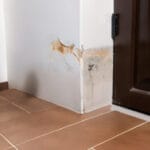
Hail and wind can also stress siding, trim, and window assemblies. That can let water move into exterior wall cavities during later rain. You may notice bubbling paint, swollen base trim, warped flooring near an outside wall, or a musty smell that seems stronger after damp weather.
If moisture has already crossed into multiple materials, surface cleanup alone is not enough. Knowing how professionals stop water from spreading reveals why structural drying matters after water gets beyond the visible surface.
Lower levels can still be part of the same storm story
Not every hail event leads to a roof leak only. The same spring storm can overwhelm drainage, push water toward lower-level openings, or worsen an already vulnerable basement. In basement-heavy homes and mixed-use properties, one storm can create both upper-level and lower-level damage paths at the same time.
That makes storm response a whole-building decision, not just a roofing decision.
What to do in the first response window
Your early decisions shape how far the damage spreads and how complex the cleanup becomes.
Start with safety, not the roof
Do not climb onto a storm-damaged roof. Wet surfaces, hidden punctures, and unstable edges make it risky. Inside, stay alert for sagging ceilings, active drips near light fixtures, and wet areas around electrical components.
If you see structural movement, exposed wiring, or any sign of immediate danger, use appropriate emergency services or utility support before focusing on cleanup.
Document what you can see and contain the spread
Take photos from the ground outside and from inside the affected area. Use containers to catch drips. Move contents away from the wet zone if it is safe to do so. Keep people out of any room with a sagging ceiling or spreading water around electrical fixtures.
Just as important, do not assume the damage stops where the stain stops. Moisture often keeps moving after visible water is gone. Why dehumidifiers matter after water damage is a useful reminder that humidity and hidden moisture can keep the loss growing even after the room seems calmer.
Drying decisions matter as much as leak control
Stopping the entry point is only half the job. Once materials are wet, the next question is what can dry in place and what may need to be opened for inspection. Delayed drying can lead to odor, swelling, staining, and mold growth, especially in insulation, drywall edges, subfloors, and trim.
The longer moisture sits in concealed spaces, the more likely a small storm problem becomes a demolition and rebuild problem.
What not to ignore after the storm
Small warning signs are usually early decisions, not harmless quirks.
Do not dismiss light interior changes
A faint ceiling mark, one patch of peeling paint, a musty smell, or minor trim swelling can be the beginning of a larger moisture map. These clues matter even when the roof still looks “mostly fine” from the ground. The same goes for granules in gutters, dents on metal roof accessories, cracked siding, and bent gutter sections.
Commercial and mixed-use properties have a wider impact zone
For offices, storefronts, tenant spaces, and other mixed-use properties, a small roof breach can affect more than one room or occupant. Water can travel above suspended ceilings, along utility runs, or into wall cavities between units.
That means the interruption risk rises fast. A minor exterior storm can become a ceiling issue, an odor issue, a tenant issue, and a repair coordination issue all at once.
How to make smarter restoration decisions after spring hail?
The goal is not just to patch the hit. It is to stop the moisture cycle from restarting.
Match the response to the damage path
If the storm left exposed roof areas, broken windows, or vulnerable openings, temporary protection may be part of the first response. If rain has already entered, water extraction, drying, and material evaluation become part of the decision.
If dampness lingered long enough to create odor or visible fungal growth, mold-related cleanup may also enter the picture.
Think beyond “looks dry.”
A room can look better and still hold wet insulation, damp framing, or moisture in the ceiling cavity. That is why the final step is not just repair. It is confirmation that the space is actually dry enough for the repair to hold.
A final inspection checklist after water damage restoration is useful for thinking through what should be checked before you treat the problem as finished.
Spring hail in Milwaukee is often a small-hit, delayed-problem event. The storm leaves the bruise outside, but the bigger damage shows up later inside. When you treat those first dents, soft spots, and stains as moisture warnings instead of cosmetic annoyances, you make better decisions sooner.
That protects the roof, the ceiling below it, and the rooms you rely on every day.
Frequently Asked Questions
1. Can small hail really cause interior water damage later?
Yes. Small hail can bruise shingles, loosen granules, dent flashing, or crack siding without creating an obvious hole. Once the next rain arrives, water can move through those weak points and soak insulation, drywall, trim, or ceiling materials before the leak becomes obvious.
2. What indoor signs usually show up first after hail damage?
The earliest signs are often ceiling stains, soft drywall, peeling paint, damp insulation, musty odor, or warped trim near exterior walls. In some properties, the first clue is not dripping water. It is a faint discoloration or a room that smells damp after rain.
3. Should you go on the roof to check hail damage yourself?
No. Wet, storm-damaged roofs can be slippery and unstable, and small punctures or lifted materials may not be visible from where you step. Ground-level photos and interior documentation are safer first moves while you focus on keeping people away from active hazards inside.
4. Why does a small ceiling stain sometimes mean a bigger problem?
Because the stain is often the end of the water path, not the beginning. Water may have already spread through insulation, framing, or ceiling cavities before it reached the visible surface. That is why the stained spot can be much smaller than the wet area above it.
5. Can hail damage affect walls and windows?
Yes. Hail and wind can damage siding, trim, skylights, flashing, and window perimeters. Once those exterior details are compromised, later rain can enter wall cavities and create bubbling paint, swollen trim, or musty odor along outside-facing walls.
6. What should you do first if water starts dripping after a hailstorm?
Start with safety. Keep people away from wet areas near electricity, place containers under active drips, move contents if it is safe, and document the damage with photos. Avoid treating the problem as a spot repair until you know whether moisture has spread beyond the visible leak.
7. When do tarping or board-up work become important?
They matter when the storm leaves openings or exposed areas that can take on more rain before permanent repairs happen. If a roof section, skylight, or window area is compromised, temporary protection can help limit the next round of interior water intrusion while full repairs are being planned.
8. Can hail damage and basement water be part of the same storm event?
Yes. A single spring storm can damage the roof above while also stressing drainage around the property below. In basement-heavy homes or older buildings, upper-level intrusion and lower-level water problems can happen in the same weather cycle and should be evaluated together.
9. How fast can hidden moisture turn into a mold concern?
It can happen quickly when damp insulation, drywall, trim, or other absorbent materials stay wet. The risk rises when moisture is trapped in ceiling cavities, behind walls, or under flooring, because those areas stay damp longer and are harder to air out properly.
10. What makes older homes and older buildings more vulnerable?
Older roof systems, aged flashing, brittle sealants, and layered repairs can make small storm hits more likely to turn into interior leakage. Older buildings may also have more concealed paths for water travel, which makes stains, odor, and delayed damage more likely after a spring storm.
11. Why is a commercial property more complicated after hail?
Because the moisture path can affect more than one space, occupant, or operating area. Water can move above suspended ceilings, through shared wall cavities, or into tenant areas, which raises the stakes for cleanup, drying, scheduling, and repair coordination.
12. How do you know the problem is actually finished?
You do not judge by surface appearance alone. A room may look dry while moisture remains in insulation, framing, ceilings, or hidden wall spaces. A better finish point is when the affected area has been checked carefully enough that repairs are not trapping moisture behind them.
Related posts:
![Prepare for Wisconsin Winter Weather]()
Prepare for Wisconsin Winter Weather
![Why-Every-Minute-Counts-After-Water-Damage]()
Why Every Minute Counts After Water Damage
![Water-Flood-Damage-Restoration-in-Oak-Creek]()
How to Fix Water Damage: A Step-by-Step Guide to Protect Your Home
![Can Walls Be Saved From Water Damage?]()
Can Walls Be Saved From Water Damage?
![Benefits of Using a Water Damage Restoration Company]()
Benefits of Using a Water Damage Restoration Company
![how-to-dry-ceiling-water-damage]()
How to Dry a Ceiling After Water Damage (Without Making Things Worse)
![Signs of Water Damage in Walls: Red Flags You Shouldn’t Miss]()
Signs of Water Damage in Walls: Red Flags You Shouldn’t Miss